


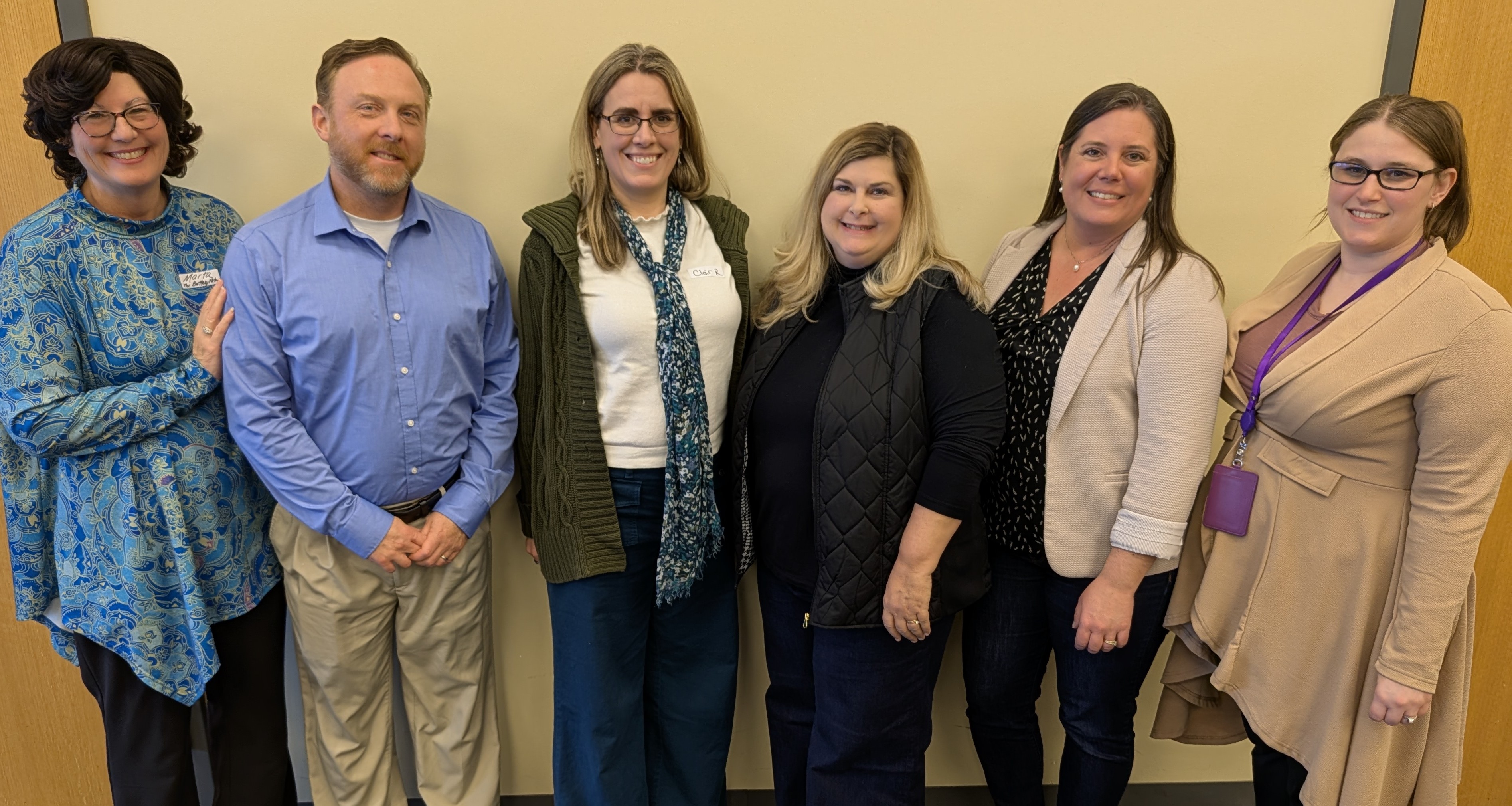
From left to right: Marta Keane (The Battery Network), Jason Linnell (Executive Director, NCER), Clair Ryan (President, Illinois Recycling Foundation), Roxane Peggs (Director of State Stewardship, The Battery Network), Christina Seibert (Executive Director, SWANCC), and Kimberly Bottomley (Illinois EPA).
🎬 Watch the Full Workshop Recording
Couldn't attend in person? Watch the complete workshop recording below.
The presentations from the workshop are available for download. Access the presentation materials here.
Workshop Gallery
View highlights from the CERA & Batteries Stewardship Workshop, showcasing presentations, stakeholder discussions, and collaborative problem-solving sessions.
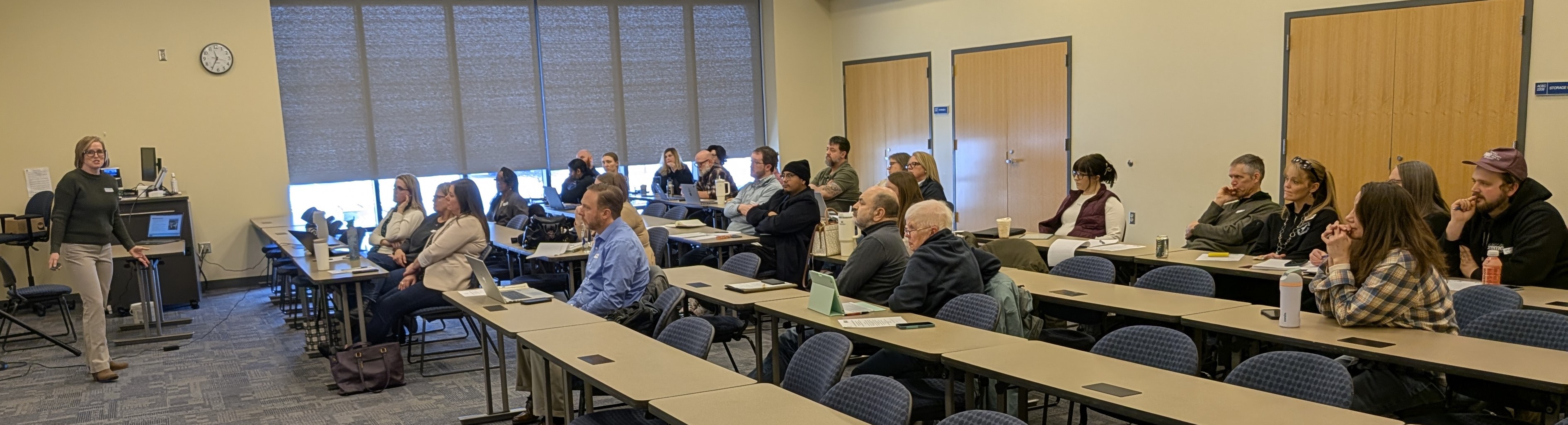
Workshop attendees engaging in discussion
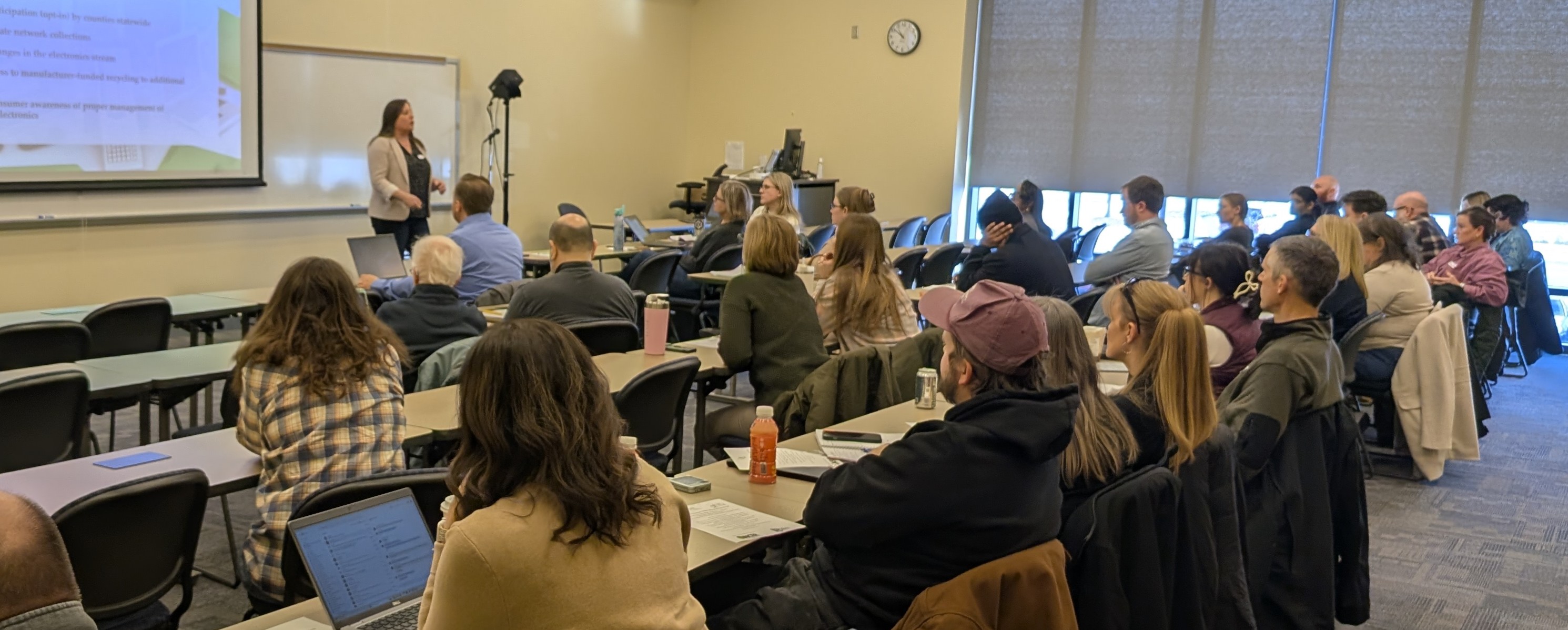
Stakeholders discussing battery stewardship solutions
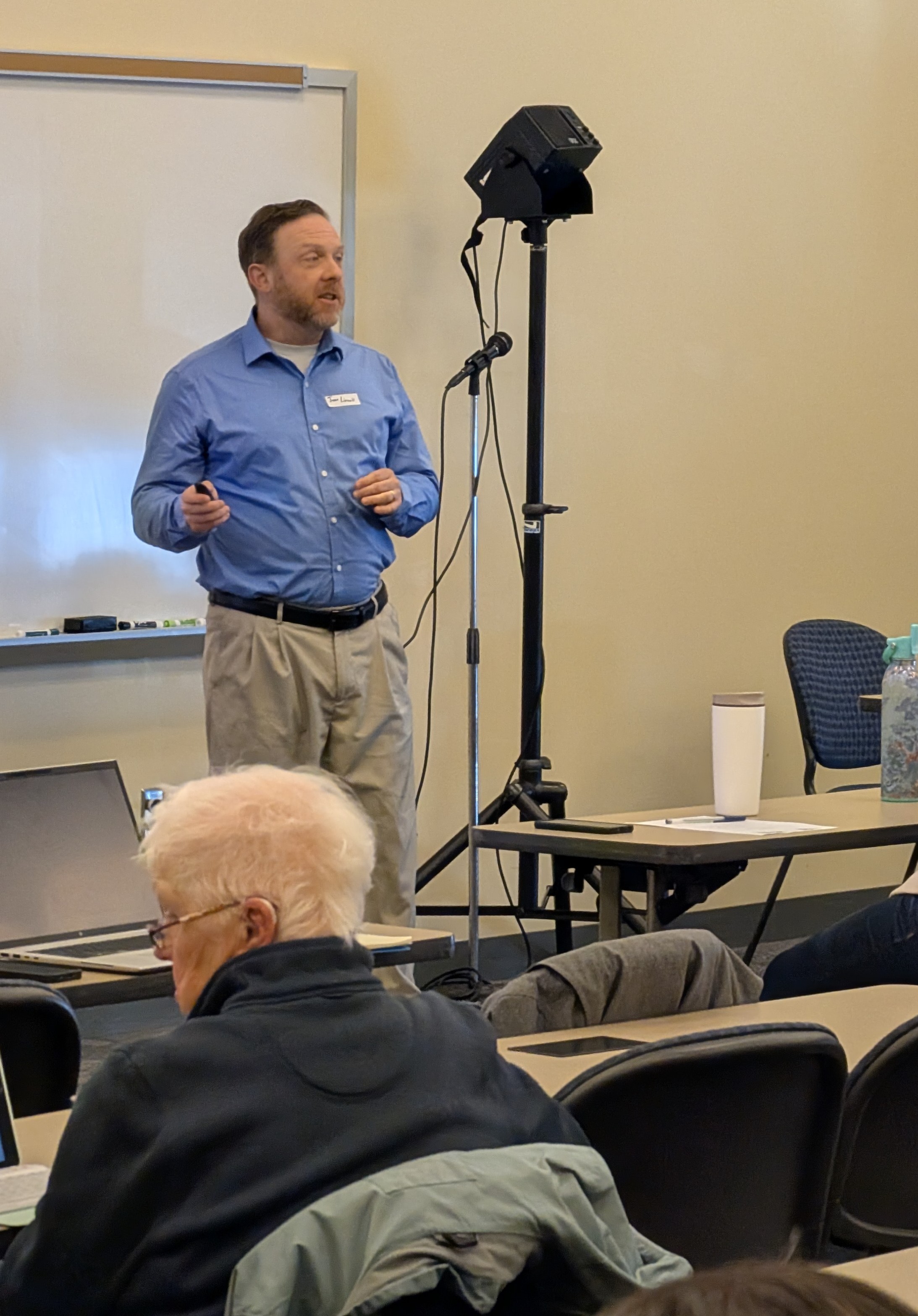
Workshop session in progress
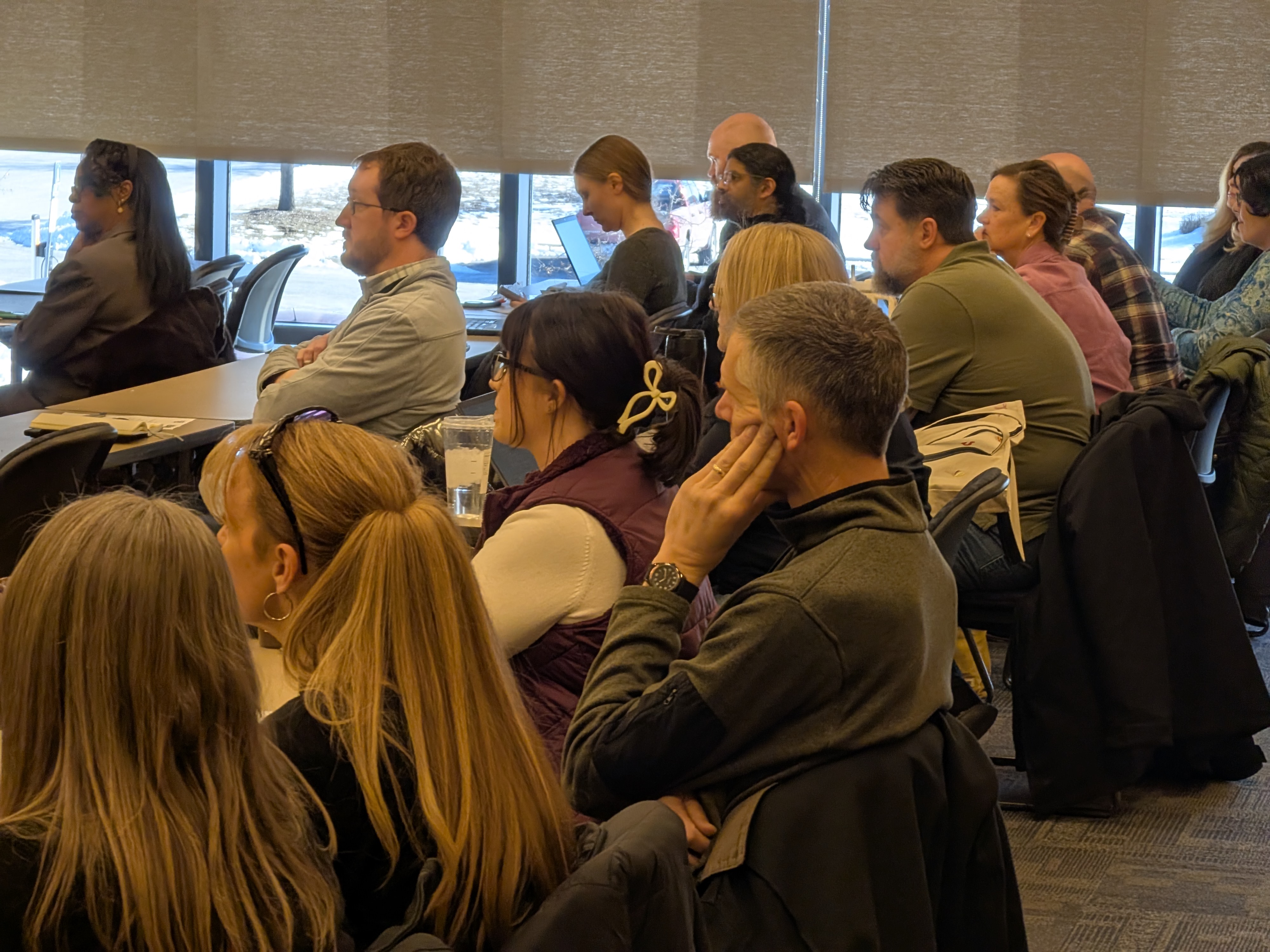
Collaborative discussion on collection site operations
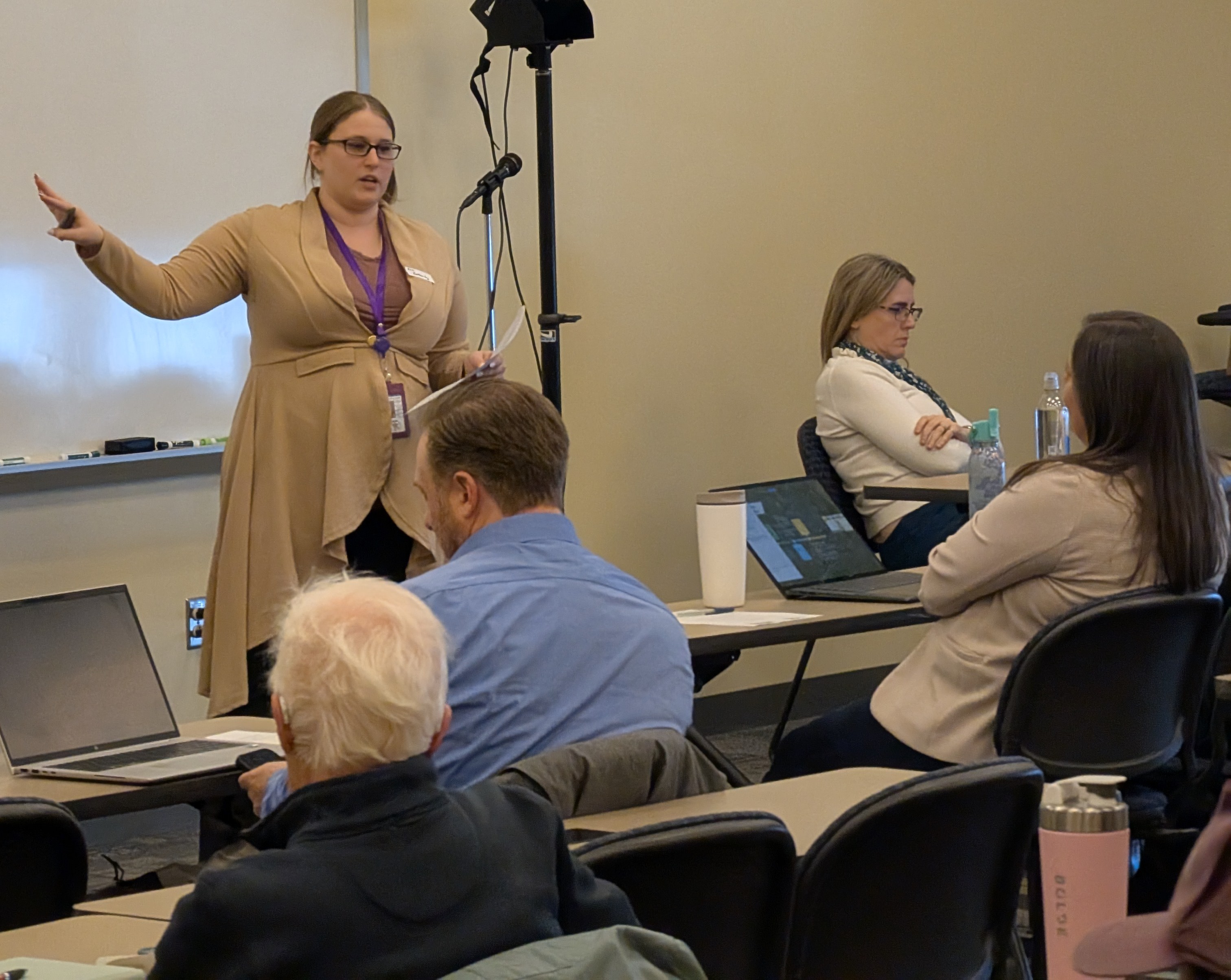
Participants reviewing stewardship best practices
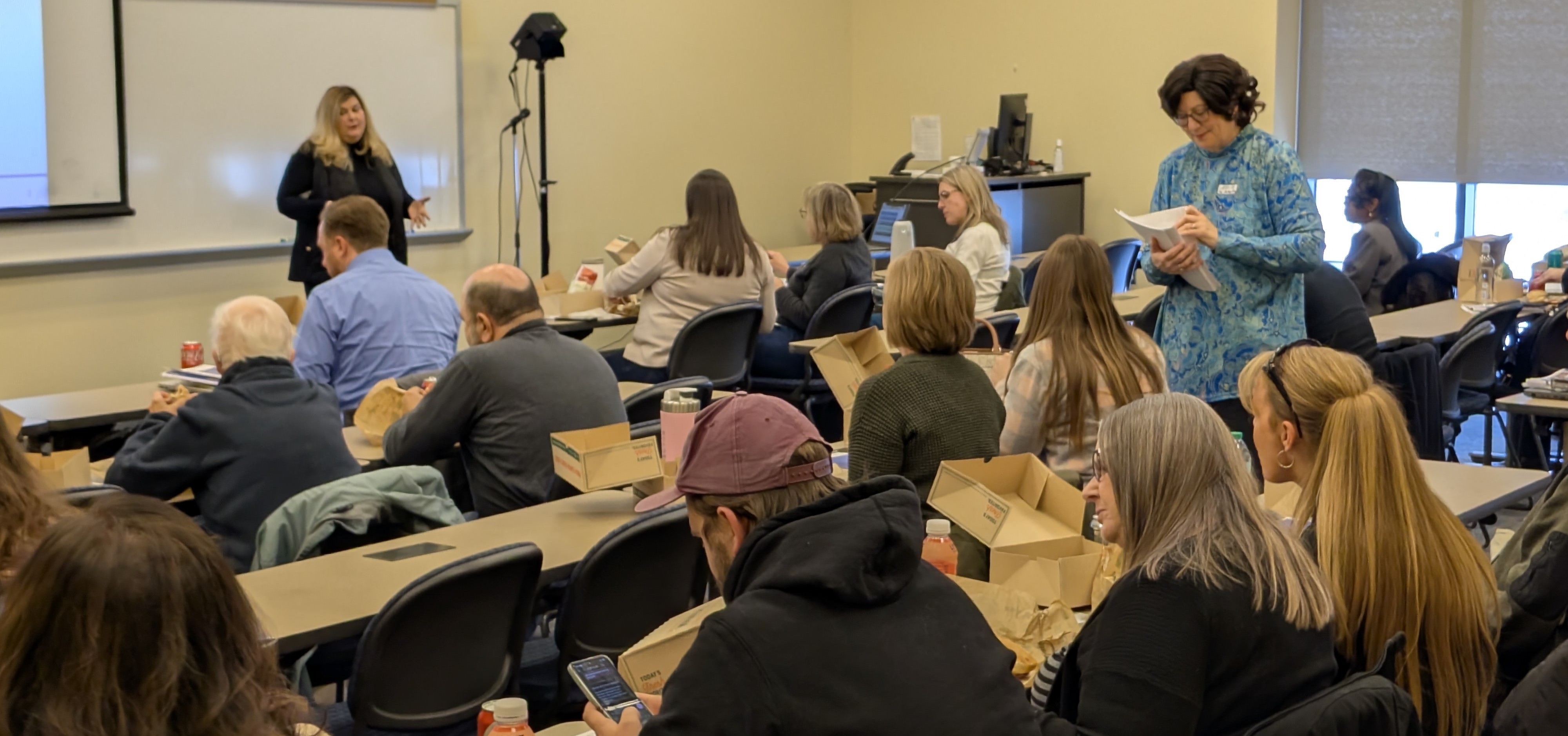
Workshop materials and resources
Workshop Overview
The Illinois Recycling Foundation recently convened the CERA & Batteries Stewardship Workshop, made possible through the generous support of our sponsors: the National Center for Electronics Recycling (NCER) and The Battery Network (formerly known as Call2Recycle). The workshop brought together local government, recyclers, service providers, manufacturers, stewardship partners, and program leaders to focus on what's working right now in electronics and battery stewardship—and what Illinois stakeholders need next to improve recovery, compliance, and public-facing outcomes.
This session was designed to be practical and action-oriented. Participants explored how collection programs are operating on the ground, where confusion persists for residents and generators, and what solutions can reduce contamination, improve safety, and increase capture rates across both covered electronic devices and batteries.
Why This Workshop Mattered
Electronics and batteries remain two of the most common "what do I do with this?" items for households, businesses, schools, and local governments. They are also two of the most operationally challenging materials streams—requiring clear stewardship rules, safe handling, reliable logistics, and consistent public messaging.
The workshop addressed a shared reality: even when programs exist, outcomes depend on whether people understand what qualifies, where to take it, and how to prepare it. At the same time, program administrators and collection sites need predictable funding structures, manageable requirements, and strong partner networks to keep services accessible statewide.
Illinois EPA Update: Understanding the CERA Framework
🎤 Kimberly Bottomley
Role: Material Management and Compliance Section, Bureau of Land, Illinois EPA
Kimberly, who joined the Illinois EPA in October 2025 after five years with the State of Illinois, provided a comprehensive overview of the CERA program structure and how it serves counties and residents.
The Evolution of Illinois Electronics Recycling
Kimberly traced the history of electronics recycling legislation in Illinois: EPRA (the Electronics Products Recycling and Reuse Act) in 2009, the landfill ban in 2012, and the Consumer Electronics Recycling Act (CERA) in 2018. The most significant shift came when CERA moved from weight-based recycling goals to a convenience-based standard—measuring manufacturer success by how accessible recycling is to residents rather than just pounds collected.
This change introduced the opt-in structure, allowing participating counties to receive manufacturer-funded collection opportunities. For consumers, the program continued landfill protections while expanding access to local recycling options.
2026 Amendment Highlights
The recent 2026 amendment extends the CERA framework through 2031 and introduces several important changes for program year 2027:
- New device categories: Home audio components will be added as a covered electronic device category
- Expanded peripheral definition: A formal definition of peripherals will take effect
- Small entity inclusion: The shift from residential-only to allowing covered entities (7 or fewer devices collected at one time)
- Fee waivers: Recyclers cannot charge collectors for at least two underweight shipments from one-day collection events per year
Current Coverage and Program Devices
The Act currently covers 8 categories of covered electronic devices (CEDs), expanding to 9 in 2027:
- Computers and small-scale servers
- Computer monitors
- Televisions
- Printers, scanners, fax machines
- DVD players and video recorders
- Video game consoles
- Digital converter boxes, cable and satellite receivers
- Keyboards, mice, portable digital music players, and peripherals
- Home audio components (starting 2027)
County Participation and What to Expect
Counties are not automatically included in CERA—they must actively opt-in. Once included, manufacturers are required by law to provide electronic recycling opportunities meeting the Act's convenience standards based on population density. Most counties receive either four collection events or one permanent site annually.
Counties can list a preferred recycler on their opt-in form, though assignment isn't guaranteed. The county may act as its own collector or work with a third-party collector. Importantly, counties can withdraw at any time—there's no legal requirement to remain enrolled.
NCER: How the Manufacturer Clearinghouse Works
🎤 Jason Linnell
Role: Executive Director, National Center for Electronics Recycling (NCER)
Jason provided detailed insight into how the Manufacturer Clearinghouse connects all CERA stakeholders and shared the latest program data.
About NCER
NCER is a non-profit organization based in West Virginia, now celebrating over 20 years of operation. They've managed the Illinois Clearinghouse program since the CERA transition in 2019—now entering their eighth year with the 2027 program plan.
Jason noted an important organizational change: ERRO (Electronics Recycling Coordination Clearinghouse), the manufacturer-board nonprofit that previously submitted plans, dissolved in early 2025. All agreements and program structure transferred to NCER, with no practical change for participants. "You won't hear that name anymore—it's just NCER or the Manufacturer Clearinghouse Program now."
The Opt-In Process
For counties considering participation, the opt-in form requires several pieces of information:
- Proposed collection sites and events: Approximate number of events desired (1, 2, or 4), even if exact dates aren't known yet
- Preferred recycler or group plan: NCER considers preferences when making assignments, though they can't guarantee matches
- Estimated pounds to be collected: NCER can provide historical data if you don't have your own estimates
Understanding Group Plans
Five group plans currently operate in Illinois: Dynamic, ERI, MRM, RLG, and Sims. Some (like Dynamic and ERI) are recyclers themselves, while others (like MRM and RLG) contract with outside recyclers to service their programs.
Jason explained why county assignments sometimes change year to year: "Manufacturers' sizes change, and manufacturers can switch from one group plan to another every year. If one group plan is 30% in one year and they lose a big manufacturer, now they're down to 20%—that means the counties assigned to them will be fewer." Despite best efforts to maintain consistent arrangements, these market dynamics create annual adjustments.
The Role of Private Collection Programs
Beyond the opt-in program, manufacturers also fulfill obligations through private collection networks—retail take-back programs at locations like Staples, Best Buy, Goodwill, and Salvation Army. These programs benefit manufacturers by helping meet their collection percentages while expanding access points for residents.
Starting with the 2027 program year, all collection sites—including private programs—will be publicly disclosed, providing greater transparency about where residents can recycle electronics.
2025 Program Data
Jason shared preliminary 2025 data that hadn't yet been released to group plans:
- Total collection: 21.8 million pounds (slightly up from 2024)
- Opt-in program: Continuing gradual decline
- Private programs: Up to 13 million pounds
The overall increase came despite the opt-in decline, demonstrating robust activity in private collection channels.
Product Category Breakdown (2024)
Jason shared surprising data about what's actually being collected:
- Televisions: 45% (by weight, the largest category)
- Printers: Second highest (now exceeding monitors as CRTs phase out)
- DVD/VCR equipment: 10% ("a pretty high number")
- Cable/satellite equipment: 3.3% (higher than expected)
- Peripherals: Also higher than anticipated
SWANCC's Approach: Making Free Collection Work
🎤 Christina Seibert
Role: Executive Director, SWANCC (Solid Waste Agency of Northern Cook County)
Christina shared insights from SWANCC's approach to electronics collection, demonstrating how a well-resourced program can serve as a model for resident-friendly service.
A No-Fee Model for Residents
SWANCC operates a distinctive model where residents pay nothing to drop off any covered electronic device, including televisions and monitors. While the law allows collectors and recyclers to charge fees for TVs and monitors (typically $10-$35 per device) to cover collection costs, SWANCC's board funds these expenses rather than passing them to residents.
This approach creates a unique value proposition for residents. As Christina explained, "When residents call us and find out [there's no fee], they're pleasantly surprised. We actually tell them, 'You have a lot of other outlets—retail collectors who will collect all your devices and may do TVs with a fee. If you want to just bring us your TVs, you can do that.' We want to be that available resource for the resident."
Coordination with Private Sector
SWANCC's approach complements rather than competes with private collection options. Their collector, eWorks (Jeff's operation), handles loose batteries separately from those embedded in electronics—using boxes for loose batteries coming in through community drop-offs while maintaining the OneDrum system for the Battery Network program.
This coordination between CERA collection and battery stewardship demonstrates how the programs can work together at the local level, providing residents with convenient options while maintaining proper separation for regulatory and funding purposes.
What We Covered
1) CERA Program Fundamentals and Compliance Realities
Participants reviewed the CERA landscape and the roles of manufacturers, collectors, recyclers, and municipalities. Discussion focused on how compliance expectations translate into day-to-day operations, including what documentation is useful, how collection site procedures can reduce downstream issues, and where stakeholders see opportunities to simplify participation.
2) Collection Site Operations and Resident Experience
A recurring theme was the "front door" of the system: the collection site. The workshop examined what makes drop-off programs succeed—clear signage, consistent acceptance rules, staff training, safe storage practices, and reliable pickup schedules. Attendees shared examples of what residents commonly misunderstand and how simple changes in messaging and site layout can reduce non-program materials, prevent safety incidents, and improve overall throughput.
3) Batteries: Safety, Sorting, and Stewardship Alignment
Batteries were addressed as a rapidly evolving stream with unique safety and handling considerations. Participants discussed practical steps to reduce risk at collection points, improve preparation guidance for the public, and align stewardship solutions with real-world conditions. This included emphasis on preventing damage, managing terminals and packaging, and ensuring the right pathways for different battery chemistries and formats.
4) The Battery Network: Illinois Implementation
🎤 Roxane Peggs
Role: Director of State Stewardship, The Battery Network
Roxane provided a comprehensive overview of the battery stewardship program structure, safety considerations, and the full range of collection solutions available to Illinois stakeholders.
About The Battery Network
Founded in 1994 by battery manufacturers, The Battery Network (formerly Call2Recycle) has over 30 years of experience operating battery collection programs. They've been running a voluntary rechargeable battery program in Illinois since the beginning, now transitioning to the mandated stewardship framework.
Marta Keane, who previously worked at Will County, has joined The Battery Network as Regional Manager for Illinois—bringing valuable local government perspective to the program.
Program Funding and Producer Participation
The battery stewardship program is funded entirely by producers. Over 250 battery producers have joined the program, with new members joining daily. A key enforcement mechanism: retailers can only sell batteries from brands participating in the program, creating strong compliance pressure.
"We sent reminders out to all the retailers saying, make sure your vendors are part of the program," Roxane explained. "It has been overwhelmingly fantastic to see the number of producers coming on board. We've even seen some producers who initially refused get interested—sometimes begrudgingly—because they want to continue selling their products in Illinois."
Coverage and Accessibility
At the end of 2025, 86% of Illinois residents had a drop-off site within 13 miles—6% above the national average of 80%. The program averaged 360,000 pounds annually from 2014-2024, with 2025 breaking that average at 431,800 pounds collected.
What's Covered (and What's Not)
Covered under the law:
- Portable batteries (under 12 lbs): nickel metal hydride, NiCad, small sealed lead acid, primary lithium, lithium-ion
- Medium format batteries (300-2,000 watt-hours, up to 25 lbs): e-bikes, e-scooters, outdoor power equipment, marine batteries
- Damaged and defective batteries in either category
NOT covered:
- Batteries embedded in products (not easily removable with common household tools)
- Batteries in covered electronic devices under CERA (handled through the electronics program)
- Medical device batteries not designed for consumer use
- Recalled batteries (manufacturer's responsibility)
- EV batteries (over 25 lbs—work directly with vehicle manufacturers)
Battery Safety: Understanding Thermal Events
Roxane showed video of a lithium battery thermal event—a dramatic demonstration of why safe handling matters. "Imagine that battery catching fire with multiple other lithium-ion batteries around it. These fires get really hot, and typical home fire extinguishers won't work on them."
Identifying damaged or defective batteries is critical. Warning signs include:
- Swelling or "puffy" appearance
- Squishy feel when pressed
- Cracked cases (especially near the battery cells)
- Visible punctures, even small ones
- Signs of previous fire or heat damage
"We always recommend erring on the safe side. If you can't tell but you suspect damage, treat it as a damaged and defective battery."
Collection Solutions
All solutions are FREE to collection partners under the Illinois program:
Call2Recycle Boxes (for smaller volumes): Primarily for retailers. Batteries must be terminally protected (taped or bagged), except alkaline primaries. Lithium-based batteries always require terminal protection. Boxes come with bags and bubble cell pouches for soft-sided batteries.
OneDrum (recommended for higher volumes): A 55-gallon UN-rated drum that can accept ALL battery types without sorting or terminal protection. The drum uses a fire suppressant made from recycled glass beads—if a thermal event occurs, it melts and encases the battery, preventing spread. "The drum is vented. It will smoke if there's a thermal event, but it will not catch fire. We have yet to see an event in these drums that we didn't start ourselves for testing."
The OneDrum holds approximately 500 pounds of batteries. For events, special builds come with multiple smaller bags of fire suppressant for easier layering. The main logistics consideration: you need a pallet jack to move the drum when full.
Medium Format Box: For occasional large batteries (up to 4 per box), with special liner and packaging.
Damaged/Defective Pails: 5-gallon pails for storing damaged batteries safely until pickup. Roxane strongly recommended having one on hand: "At an event in Washington state, people kept bringing up batteries they knew had something wrong with them. We didn't have a pail on site and had to borrow one."
Thermal Event Kit (for purchase, not free): Includes a storage case, goggles, fire blanket, fire suppressant pillow, and high-heat gloves. "If you purchase one, put it close to where the batteries are—not in your break room. I've seen that several times."
5) Addressing Retail Collection Challenges
Discussion revealed ongoing challenges with retail collection sites. While Home Depot and Lowe's have corporate agreements with The Battery Network to accept all batteries, store-level implementation has been inconsistent. Some associates still believe they only accept power tool batteries or rechargeable batteries.
The Battery Network is working directly with corporate partners to improve communication to store managers and front-line employees. In the meantime, Staples was highlighted as a reliable option, having participated in battery collection for over a year with consistent service.
6) Education and Communication That Actually Works
Workshop dialogue emphasized that public education must be consistent, repeatable, and easy to act on. Participants explored how to reduce friction for residents by using straightforward language, consistent icons/visual cues, and harmonized messaging across websites, signage, social media, and direct outreach. The group also highlighted the value of "one good answer" resources that local governments can confidently point residents toward.
Recycle Coach was highlighted as a valuable tool for local communication—allowing counties and municipalities to list collection events on a shared calendar platform that residents can access through the state's existing contract for the service.
7) Data, Transparency, and Continuous Improvement
Attendees discussed the importance of tracking what is being collected, where contamination appears, and how program adjustments can be guided by evidence rather than anecdotes. Clear feedback loops—between collection sites, haulers, recyclers, and stewardship partners—help improve performance over time and support better decision-making at the local level.
Starting with the 2027 program plan, private network collection site information will be made public—providing greater transparency into where residents can access electronics recycling beyond the opt-in county programs.
Real-World County Perspectives
🎤 Dana Messmore
Role: Director of Environmental Health, Vermilion County Health Department
Dana shared candid insights from operating collection events in a rural county, demonstrating both the challenges and rewards of community e-waste collection.
Practical Operations
Vermilion County budgets approximately $30,000 annually for two collection events (though assigned four). Events run from 8:30 AM to a hard 11:00 AM cutoff, with cars often arriving as early as 6:30 AM. Typical participation reaches 300 cars per event, with wait times averaging 45 minutes.
Staffing and Support
The county partners with Dynamic Recycling to provide sorting, packing, and forklift operations, while the 7-person county staff manages traffic direction. Temporary workers assist with unloading—though Dana noted that of 12 requested temps, typically only 4-5 actually appear on event day.
Managing Out-of-Program Items
The county accepts materials outside the CERA program at their events, reasoning that turning people away often means the items end up "in a ravine somewhere." The additional cost averages only $314 per event—a worthwhile investment in community service and illegal dumping prevention.
Lessons Learned
- Marketing matters: Facebook-sponsored ads and physical flyers at Casey's stations, libraries, and municipal buildings increased participation
- Flexibility is essential: Be prepared for last-minute changes like blocked entrances or parking lot reconfigurations
- The community responds: While some people complain about wait times, far more express genuine gratitude
- Build relationships: Dynamic's team is "amazing" at working with untrained temporary workers and adapting to on-site challenges
Key Takeaways
- Clarity drives capture. The easier it is for residents and generators to understand what's accepted and where to go, the more material is properly recovered.
- Operational consistency matters. Consistent site procedures and messaging reduce confusion, contamination, and safety risks.
- Batteries require extra attention. Safe handling and clear preparation guidance are essential to protect staff, facilities, and the recycling system.
- Partnership is the multiplier. Stewardship outcomes improve when local programs, processors, and stewardship organizations communicate regularly and align expectations.
- Education must be practical. The most effective outreach is direct, consistent, and designed for real behaviors—not ideal behaviors.
- 2027 changes are coming. Now is the time to prepare for expanded device categories, medium format batteries, and new reporting requirements—but don't implement changes before the effective date.
Important Upcoming Deadlines
- March 1, 2026: County opt-in deadline for the 2027 program year
- April 1, 2026: Manufacturer registration deadline for 2027
- June 2026: Counties receive group plan assignments
- July 1, 2026: Clearinghouse plan submission for 2027
- January 1, 2027: New device categories and fee waivers take effect
Thank You to Our Sponsors
This workshop was possible thanks to the leadership and support of our sponsors: the National Center for Electronics Recycling (NCER) and The Battery Network (formerly known as Call2Recycle). Their commitment to electronics and battery stewardship helps strengthen collection networks, improve program performance, and support safer, more effective recycling systems.
What's Next
The Illinois Recycling Foundation will continue facilitating stakeholder conversations that move from discussion to implementation—sharing practical resources, elevating on-the-ground insights, and identifying opportunities to improve stewardship outcomes statewide.
The Illinois Electronic Recycling Task Force will be developing best practice documents for consumer education awareness outreach, incorporating tools like Recycle Coach and resources from the Clearinghouse to help counties promote their programs effectively.
If you'd like to be involved in future workshops or help shape upcoming topics, we welcome your participation and input.